


A tote that gets used every Saturday. A bottle that lives on someone’s desk for two years. These are not just “freebies”, they are tiny, repeatable moments where a company’s values show up in real life. In Malaysia, where ESG and CSR conversations are shifting from pledges to proof, reusable drinkware and tote bags have become a practical way to demonstrate intent without looking performative.
Why Reusable Gifts Land Better In ESG Conversations
ESG messaging becomes credible when it is measurable, repeatable, and consistent. Reusable gifts do all three. They reduce the need for single use items, they last through repeated use, and they follow people into their daily routines, which is exactly where behaviour change happens.
From a stakeholder perspective, reusable gifts are also easy to “read”. Employees see them as useful, not wasteful. Clients associate them with everyday utility rather than short-term promotion. Procurement teams appreciate that quality items reduce replacement cycles and complaints. Even finance teams tend to prefer items that do not become sunk cost clutter.
Materials That Signal Substance, Not Slogans
Choosing the right material is where eco minded merch becomes either genuinely helpful or a green talking point that falls flat.
For drinkware, stainless steel is often the safest long-term choice because it is durable, widely accepted for repeated use, and holds up well in office environments. Tritan style plastics can work too when you need lightness, but they should be positioned as long-life, not disposable. Glass looks premium yet can be heavy and fragile, so it fits better for limited gifting sets rather than mass programmes.
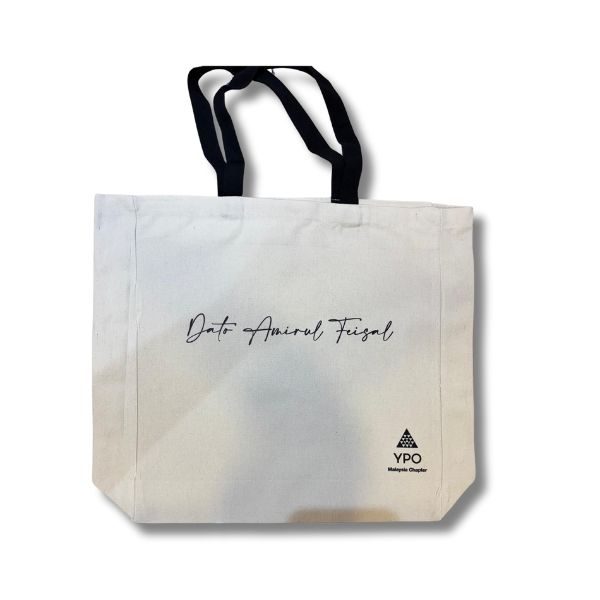
For bags, natural canvas and heavier cotton blends tend to be used longer than thin non-woven options, which can tear quickly and undermine the sustainability message. If you are considering recycled fibres such as rPET, match the fabric weight to the intended use. Grocery runs and laptop carrying demand different durability.
Reusability Design: The Details That Decide Whether It Gets Used
A reusable gift only supports ESG if people actually reuse it. That comes down to design and ergonomics, not just colour palettes.
Drinkware needs a comfortable mouthfeel, a leak-resistant lid, and a size that fits car cup holders and office mug racks. Insulation matters in Malaysia’s weather. A bottle that keeps water cool through a commute is far more likely to become someone’s default.
Bags need reinforced handles and a base that sits flat. Internal pockets are not “extra”. They make the tote the one people grab for work, not the one that stays in the boot. This is where tote bag Kuala Lumpur gifting can be very effective, because urban routines often involve public transport, walking, and compact storage.
Branding That Reinforces Green Messaging Without Hijacking It
Logos are fine. Over-branding is not. If the goal is ESG alignment, the branding should support the sustainability story rather than dominate it.
Embroidery can feel premium and long-lasting on heavier fabrics, especially when it avoids large, dense stitching that stiffens the bag. For teams planning uniformity and longevity, custom embroidery Malaysia can work best when paired with minimalist placement and a design that people are willing to carry outside work.
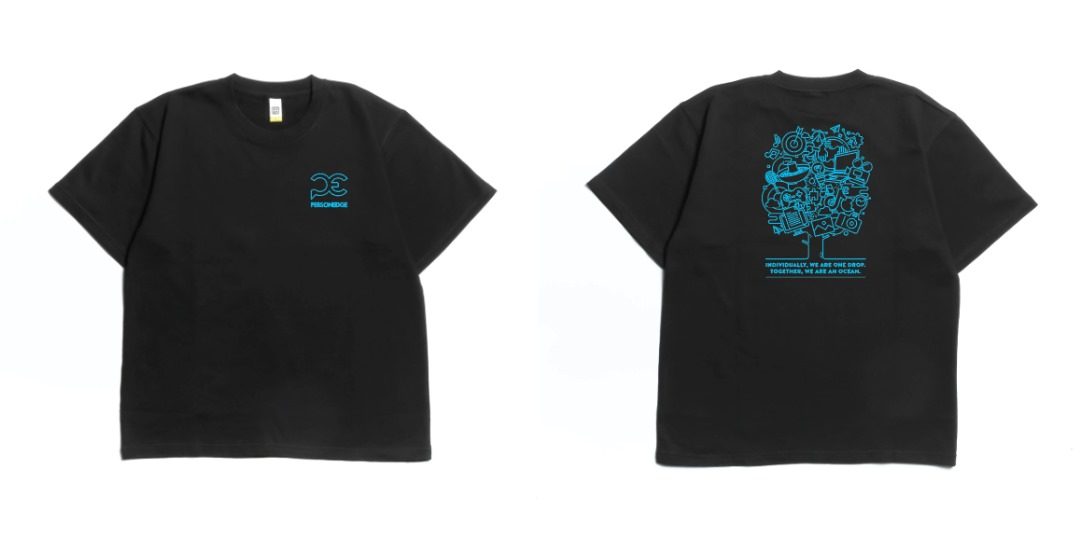
On drinkware, print durability matters. A design that chips or fades quickly sends the wrong message. Consider subtle marks, single-colour logos, or a values-led icon rather than a full campaign graphic.
Packaging: The Silent Part Of The Gift That People Remember
Packaging is where well-intended gifting often slips. A “sustainable” bottle inside layers of plastic wrap creates cognitive dissonance.
Better options include kraft boxes, minimal inserts, paper-based tape, and simple care cards printed with soy-based inks. If you need a protective sleeve, consider reusable pouches rather than throwaway foam. For larger runs, grouping items in shippable cartons with clear labelling can also reduce repacking waste and damage returns.
Proof Points Companies Can Use Internally
Eco gifts become more persuasive when you connect them to internal programmes.
- Employee onboarding: a bottle and tote can replace a stack of single-use items and encourage refill habits.
- Events: provide drinkware at check-in and set up refill stations, then track reduction in bottled water orders.
- Client appreciation: choose quality items with care instructions, encouraging longevity rather than novelty.
If your ESG reporting needs supporting narrative, you can describe how the gift design reduces waste, how materials were selected for durability, and how packaging minimised single-use components. For drinkware campaigns, custom tumbler Malaysia programmes can even tie into hydration and wellness initiatives, which strengthens the “people” aspect of ESG.
FAQs
1) What makes an eco-friendly corporate gift genuinely ESG-aligned rather than just “green-looking”?
An ESG-aligned gift is designed for long-term use, uses durable materials, minimises single-use packaging, and can be linked to a practical behaviour such as refilling water or replacing plastic bags.
2) How should we choose between printing and stitching for tote branding?
Stitching often lasts longer on thick fabric, while printing can suit detailed graphics, so the best choice depends on how the tote will be used and washed, plus whether you want subtle or statement branding.
3) Why do companies in Malaysia often prioritise drinkware for sustainability gifting?
Drinkware supports an easy daily habit, reduces dependence on single-use bottles, and works well across offices, events, and commuting routines in Malaysia.
4) What is a DTF printing service and when is it suitable for eco gift branding?
A DTF printing service is a method that transfers a printed design onto fabric, and it is suitable when you need sharp details or multi-colour artwork on totes, as long as the base bag is durable enough to be reused for a long time.
5) How can Printbox help teams plan sustainable merch without turning it into a sales pitch?
We can support the decision-making process by discussing material choices, durability, and packaging options, and by guiding brands on how to align design and branding with ESG messaging so the gift remains useful and consistent with sustainability goals.