


A new merch idea usually starts the same way: a sketch on your phone, a late-night Canva session, then the quiet panic of “What if nobody buys it?” For creators, side hustlers, and small brands in Malaysia, the biggest risk is not creativity. It is cash tied up in boxes of unsold stock.
That is why we keep coming back to print on demand. It lets you run real-world “micro launches” without minimum order quantities, and you only produce when an order is paid for. Done properly, it becomes less of a printing choice and more of a testing system.
Why Print On Demand Is A Smarter First Launch
Print on demand works because it turns your first merch line into a learning loop, not a one-shot gamble.
Here is what changes when you stop holding stock:
- Risk shifts from inventory to insight. Instead of guessing which designs will win, you gather evidence from actual orders.
- You can test faster. Swap a design, update a slogan, change a colourway, and relaunch without wasting old stock.
- You can sell like a small brand, but learn like a big one. Every order becomes a data point, not just revenue.
If you are selling to an audience that already follows you, even a small list can validate demand. Ten orders from the right people tell you more than 500 units sitting in your room.
What To Test First (And Why These Items Work)
Creators often want to launch everything at once, but testing is cleaner when you start with 2 to 4 SKUs. We like to begin with one “identity piece” and one “everyday utility” item, because they behave differently.
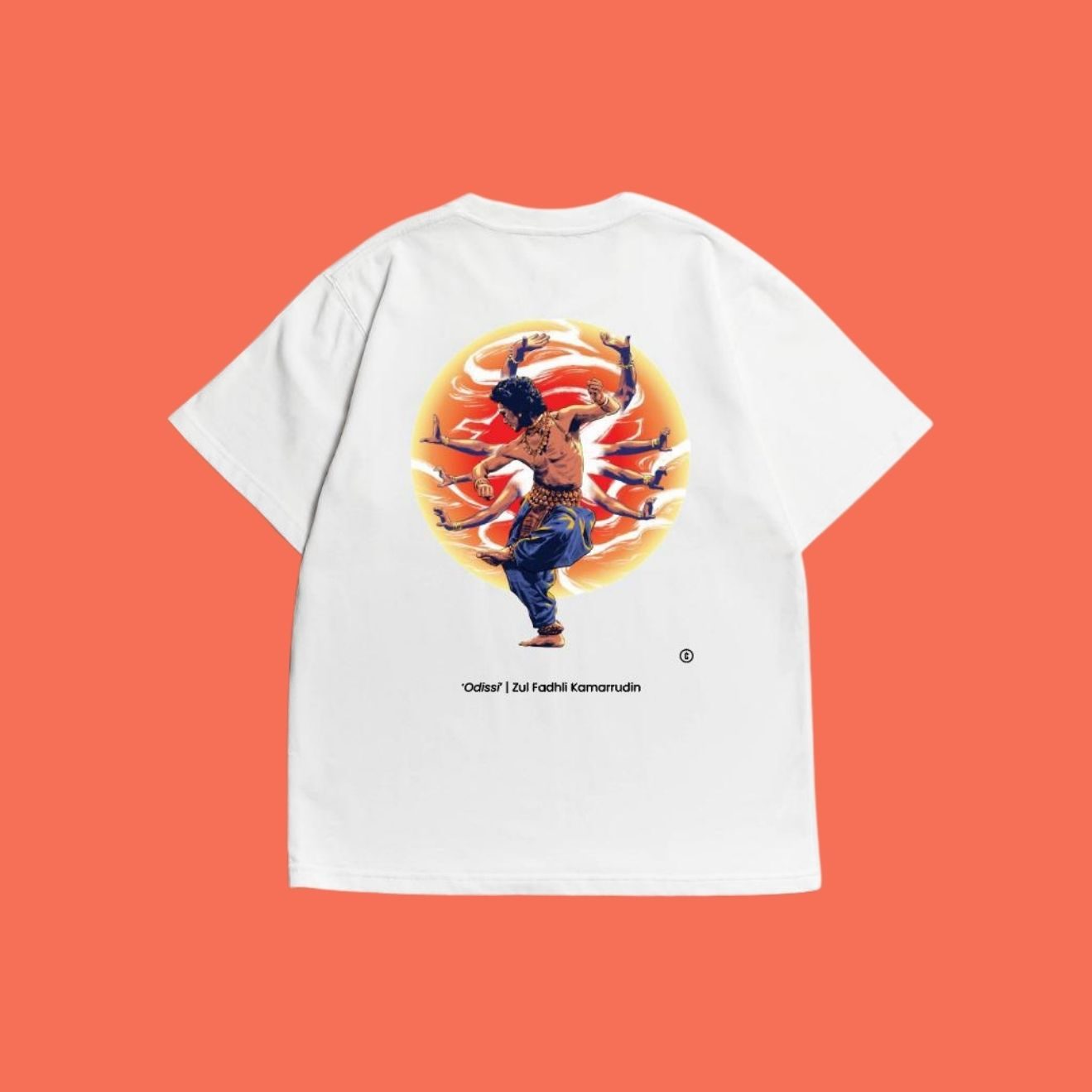
T-Shirts: Your Brand Identity In One Item
A tee is your billboard, but it is also the most sensitive to sizing, fit expectations, and print feel. A well-run test with custom T-shirt printing Malaysia should focus on:
- One hero design with one strong message
- Two colour options max for the first run
- A clear size guide and model reference, even if informal
Then watch which sizes move first and which designs get repeat purchases. If L sells out twice as fast as S, you have your first production clue.
Totes: Low-Friction, High-Visibility
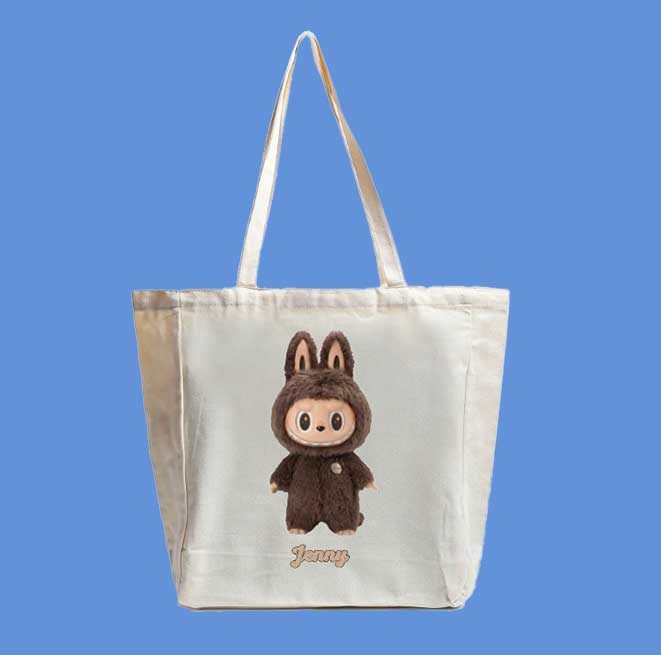
Totes are less complicated than apparel. People buy them for convenience, and they double as walking exposure for your brand. When we test canvas tote bag printing Malaysia, we look for:
- Print placement that reads from a distance
- Designs that do not rely on tiny details
- A message or graphic that matches a lifestyle niche (books, gym, café, eco habits)
Totes also perform well as add-ons at checkout, which helps you measure how “sticky” your brand is beyond the core product.
Tumblers: Practical, Giftable, Repeatable
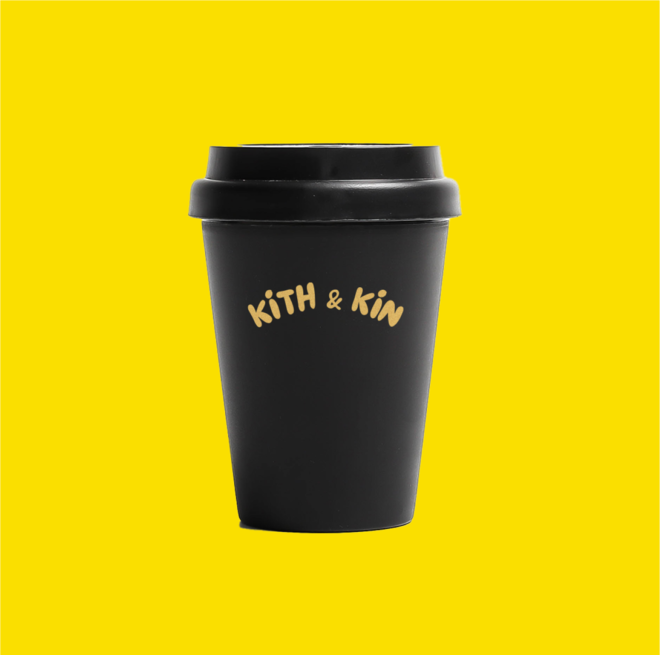
Bottles and tumblers are popular because they are useful, and usefulness drives repeat buying. Testing custom tumbler Malaysia is less about “Will they like the design?” and more about “Will they carry it daily?” Consider:
- Whether the design still looks good when viewed at different angles
- If the personalisation option increases conversion
- If buyers treat it as a gift purchase (a different buying mindset)
A tumbler can also be your bridge into premium pricing because people associate drinkware with quality and durability.
The Test Launch Method That Actually Produces Answers
A merch test should be designed like an experiment. If you change too many things at once, you learn nothing.
Step 1: Launch A Tight Collection
Start with 2 to 4 items. Give them a theme. Avoid “random drops” in the first round. Use custom T-shirt printing Malaysia for one anchor design and keep the rest complementary.
Step 2: Define Success Before You Launch
Pick two goals that match your stage:
- 20 orders in 14 days
- 3 percent conversion from Instagram link clicks
- 30 percent of buyers adding a second item
Step 3: Read Behaviour, Not Opinions
Likes and comments are nice, but orders and reorders are truth. Track:
- Which design gets bought without a discount
- Which item is most often purchased as a gift
- Which product attracts first-time buyers versus repeat buyers
Step 4: Optimise One Variable At A Time
If your tote is not moving, change only one element, such as the slogan, placement, or colour, then run another short test. When we tweak a tote design during canvas tote bag printing Malaysia test runs, we keep the fabric and size consistent so the results are comparable.
Corporate Gifting: A High-Leverage Route For Small Brands
If you are a creator with a niche audience, corporate gifting can look “too big” for you. In reality, it is often where small brands gain stable volume.
A company buyer wants three things: predictable fulfilment, clear branding, and a gift that feels useful. This is where a curated bundle approach works better than a catalogue.
For example, pairing a tee with a tumbler can turn a casual merch idea into a thoughtful corporate gift Kuala Lumpur option, especially for client appreciation, event giveaways, or staff onboarding.
The key is positioning: you are not selling a product, you are solving their “What do we give that people actually keep?” problem.
Knowing When To Scale Beyond Print On Demand
Print on demand is perfect for testing, but once you have consistent winners, scaling can reduce cost per unit and improve margins.
Here are signs it might be time:
- You sell the same design steadily every month
- You know your size split and colour preference
- You can forecast demand from repeat cycles, not hype
Until then, print on demand keeps your business flexible. Your second round of custom tumbler Malaysia tests can focus on premium finishes or limited editions, while your second corporate gift Kuala Lumpur offer can focus on bundles and packaging upgrades.
Conclusion: Treat Merch Like A System, Not A Gamble
Small brands do not lose because their ideas are weak. They lose because they bet too much too early. Print on demand lets you validate designs, learn your audience, and grow into a real collection with confidence.
If you are building something on nights and weekends, “no stock, low upfront cost, and easy scaling” is not just convenient. It is a smarter way to start.
FAQs
1) What is print on demand and how does it reduce risk for new merch launches?
Print on demand produces items only after a customer pays, so you avoid buying inventory upfront and reduce the chance of unsold stock.
2) How can we test which designs will sell before committing to a full collection?
Launch a small set of SKUs, track paid orders and repeat purchases, then adjust only one variable at a time to learn what drives sales.
3) What file format and design setup is best for clean print results?
Use high-resolution artwork, keep text readable at distance, and export print files in formats that preserve quality such as PDF or PNG with the correct dimensions.
4) How should creators price merch to protect margins without overcharging?
Add up production cost, platform fees, packaging, and a buffer for returns, then set pricing based on value and audience willingness to pay, not competitor guessing.
5) Can small brands use Printbox for small test runs without minimum quantities?
Yes, platforms like Printbox support low-quantity production so creators can run small tests, learn demand patterns, and scale later with better confidence.